THE REDLIGHTME JOURNAL
5 Science-Backed Benefits of Red Light Therapy
From muscle recovery to skin rejuvenation, discover what thousands of peer-reviewed studies say about red light therapy and why it's becoming Scottsdale's favorite wellness treatment.
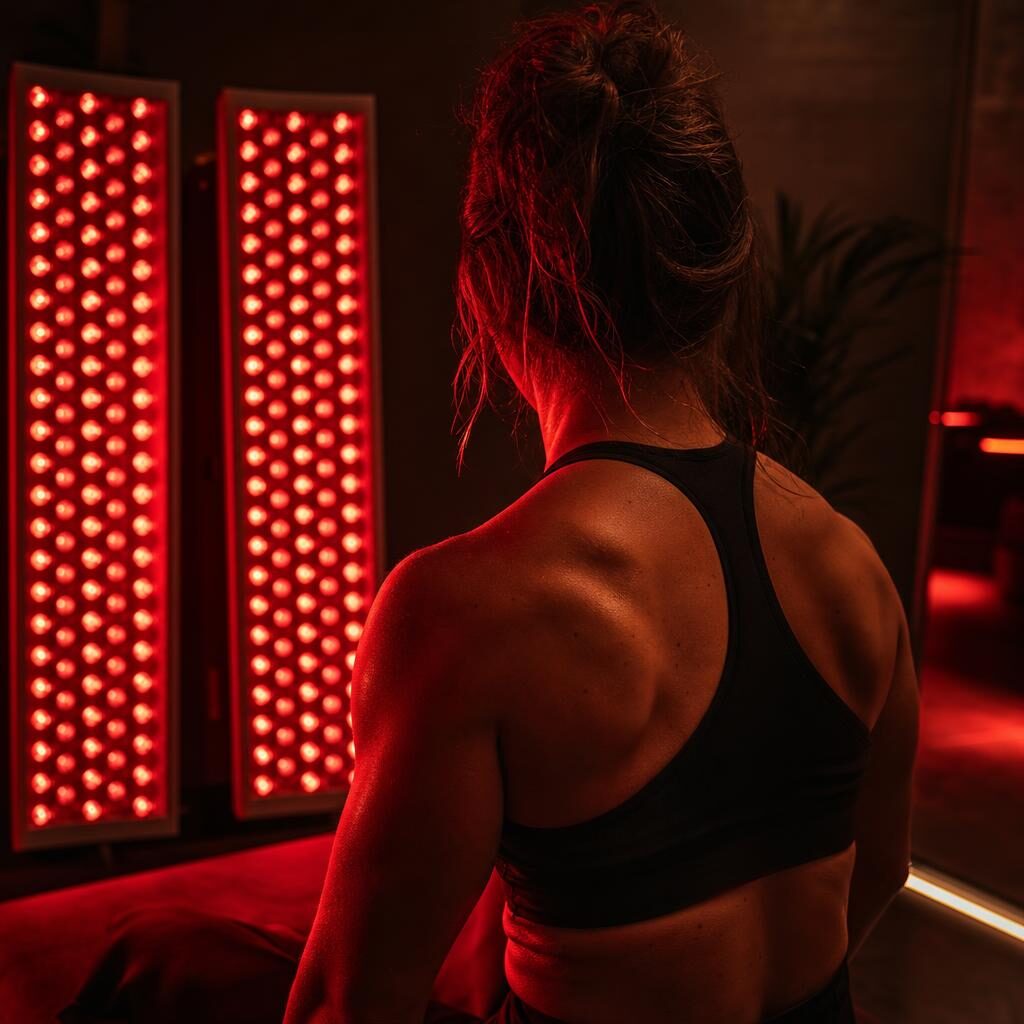
Red light therapy (RLT) — also known as photobiomodulation — has moved from fringe biohacking to mainstream wellness in under a decade. The reason? The research is hard to ignore. With over 5,000 peer-reviewed studies and counting, RLT has demonstrated meaningful benefits across a wide range of health outcomes.
Here are five of the most compelling benefits, backed by science.
1. Accelerated Muscle Recovery
Athletes have been among the earliest adopters of red light therapy, and for good reason. Studies published in journals like the Journal of Athletic Training and Lasers in Medical Science consistently show that red and near-infrared light reduces muscle soreness (DOMS), decreases markers of inflammation, and speeds up recovery time after intense exercise.
The mechanism: light at 630–850nm wavelengths is absorbed by cytochrome c oxidase in the mitochondria, increasing ATP production and reducing reactive oxygen species (free radicals) that cause post-workout inflammation.
Bottom line: If you train, RLT can help you train more frequently with less downtime.
2. Visible Skin Rejuvenation
Multiple randomized controlled trials have shown that consistent red light therapy stimulates fibroblast activity, leading to increased collagen and elastin production. In practical terms, this means reduced fine lines, improved skin tone and texture, and a measurable reduction in hyperpigmentation.
A landmark 2014 study in Photomedicine and Laser Surgery found that participants using full-body RLT twice weekly for 30 sessions showed "significantly improved skin complexion and skin feeling," along with objective measurements of increased collagen density.
Unlike many skincare treatments, RLT works at the dermal level — not just the surface.
3. Enhanced Cellular Energy
Fatigue at the cellular level is one of the least understood and most common health complaints. Mitochondrial dysfunction — the inability of cells to produce adequate ATP — is increasingly linked to everything from chronic fatigue to accelerated aging.
Red light therapy directly addresses this. By stimulating mitochondrial respiration and increasing ATP output, RLT effectively charges your cells from the inside out. Many members report improved energy levels, better focus, and reduced afternoon fatigue within the first few weeks of regular sessions.
4. Chronic Pain Reduction
The anti-inflammatory effects of RLT make it a compelling option for people dealing with chronic pain. Research has demonstrated efficacy in conditions including:
- Neck and lower back pain
- Osteoarthritis and joint inflammation
- Tendinitis and repetitive stress injuries
- Post-surgical pain and recovery
A 2009 systematic review in The Lancet found that low-level laser therapy reduced pain in chronic neck pain sufferers by more than 50% compared to placebo.
5. Improved Sleep Quality
Light plays a fundamental role in regulating our circadian rhythm, and red/near-infrared wavelengths appear to have a unique positive effect on sleep architecture. Unlike blue light (which suppresses melatonin), red light appears to support melatonin production when used in the evening.
A 2012 study on Chinese female basketball players found that 14 days of full-body red light exposure before bed improved sleep quality, increased melatonin secretion, and improved athletic performance — all without side effects.
Experience It for Yourself
Reading about red light therapy is one thing. Feeling it is another.
At RedLightMe in Scottsdale, we've made it as easy as possible to start. No appointment, no commitment required for your first session — just walk in and try it.
For those ready to commit to transformation, our Founder Membership offers unlimited daily sessions at a locked-in rate that will never increase. Founder spots are limited.